







Search Results for: ice machine
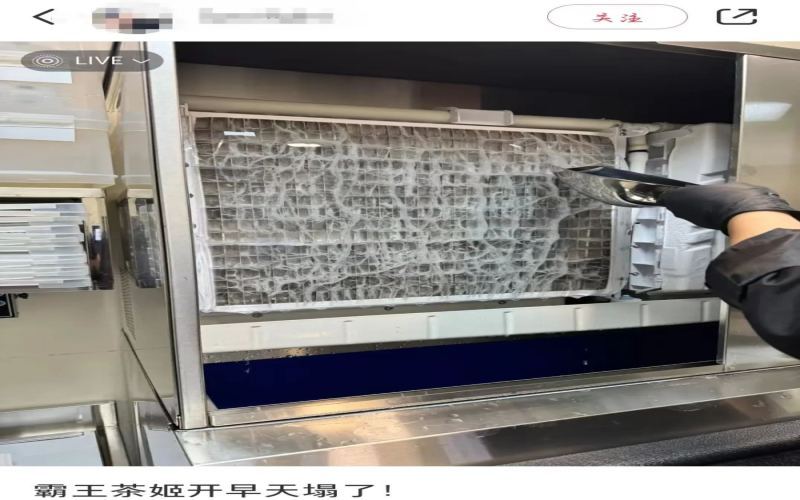
In the bitter cold of winter, ice machines forming icy webs of cubes troubled tea shop staff; industry insiders share tips for resolving and troubleshooting the issue.
Entering mid-December, temperatures across the country continue to drop, yet demand for iced drinks remains strong, and the ice machines in tea beverage shops still need to operate as usual in the severe cold of the north. Recently, an early-shift employee at Chagee arrived at the store and found the ice cube tray covered with foreign matter resembling a "spider web." Only upon closer inspection did they realize it was ice that had frozen into a thick layer overnight, preventing the machine from properly releasing the ice. This situation not only caught the staff off guard but also sparked discussions among peers about winter ice machine parameter adjustments, troubleshooting, and equipment quality. Front Street Coffee has noticed that similar problems are not uncommon in chain tea beverage stores, and how to respond scientifically has become a topic of concern for industry practitioners. [more…]
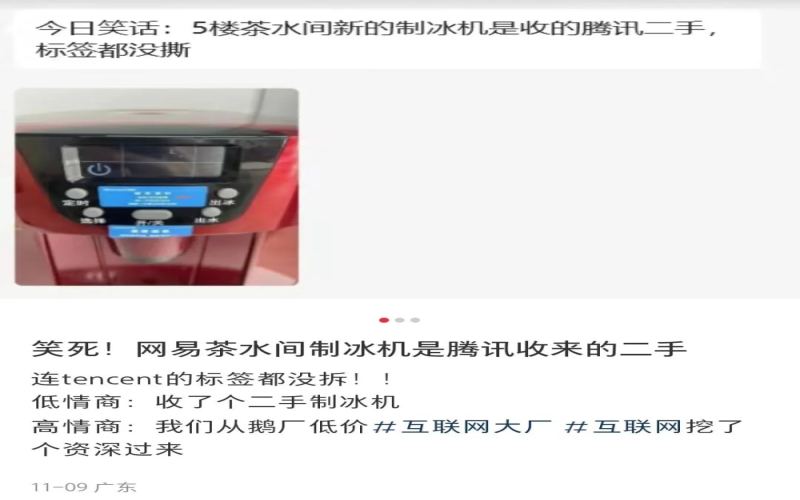
NetEase Reports Nestlé Second-Hand Ice Machine Controversy: Full Record of Food Safety Concerns and Responses from Both Sides
Recently, a second-hand ice machine has stirred up controversy between NetEase and Nestlé. A second-hand ice machine bearing Tencent's logo was discovered in NetEase's break room. NetEase later confirmed that the equipment came from Tencent and accused Nestlé of concealing the source of the second-hand equipment and illegally reselling it, in suspected violation of food safety regulations. NetEase has reported Nestlé and its agency company to the State Administration for Market Regulation. Nestlé responded that the ice machine was not produced or provided by it. The incident continues to escalate and has drawn widespread attention. [more…]

Why Does Coffee Shop Ice Melt More Slowly? A Complete Guide to Hand-Brewed Ice—from Ice Machines to Choosing the Right Ice Type
When drinking iced Americano, have you ever noticed that the ice cubes at coffee shops always seem to melt more slowly than the ones at home? From equipment differences to ice cube shape, and even the actual amount used, every detail affects the taste and staying power of cold coffee. Starting from the role of ice cubes, this article analyzes the differences between commercial ice machines and household refrigerators, explains why coffee shops tend to use smaller, more uniformly shaped ice cubes, and also shares the reasons Front Street Coffee insists on using refrigerator ice along with actual comparison tests. If you want your iced pour-over to cool down properly without being overly diluted, the answer you're looking for may be here. [more…]
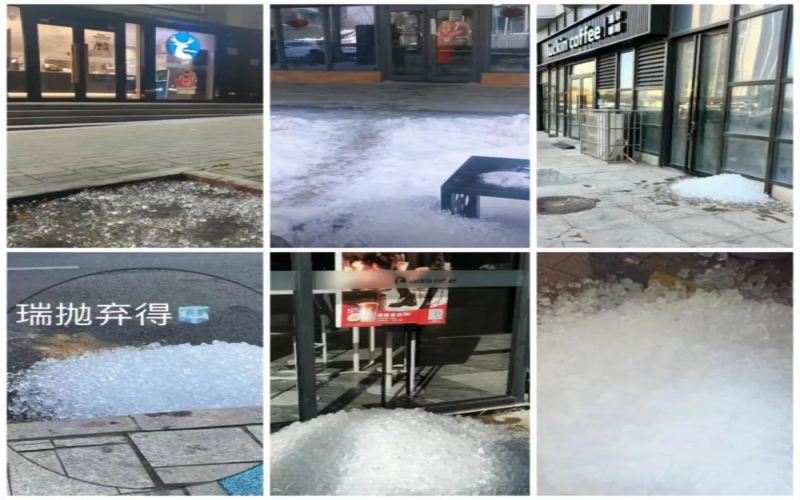
Luckin store's ice machine waste ice dumped on street trees sparks debate; landscaping department responds to operational hazards
Recently, a video of Luckin Coffee store employees dumping large amounts of waste ice from cleaning the ice machine under the street trees in front of the store has sparked heated discussion on social media. On one hand, there is the practical difficulty employees face in disposing of excess ice; on the other, netizens are worried about the health of the trees. Is dumping ice a way to make full use of resources or is it harming the greenery? The landscaping department has offered a professional opinion on this, and behind the incident it also reflects a management blind spot in the waste ice disposal process at chain coffee stores. [more…]
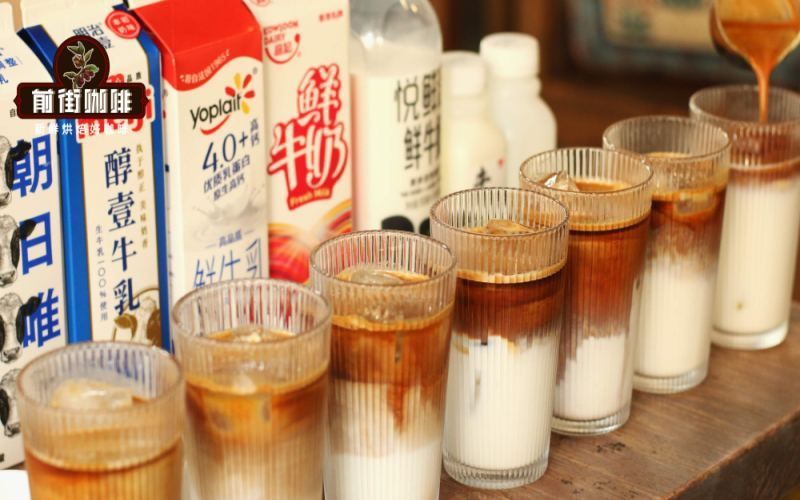
The Complete Guide to Making Iced Latte at Home: From Choosing an Espresso Machine and Pairing Espresso Beans to a Detailed Explanation of Coffee-to-Milk Ratios
Want to recreate a coffee shop's iced latte at home, but always feel like the taste falls a bit short? The problem usually lies in three areas: whether the espresso machine's pressure performance is up to standard, whether the flavor of the espresso beans and milk are in harmony, and whether the ratio of espresso to milk is appropriate. Drawing on Front Street Coffee's practical experience, this article systematically sorts out the key points of making iced lattes at home—including how to judge the extraction capability of a home espresso machine, the coffee-to-milk ratios suited to dark-roast and light-roast espresso beans respectively, how to manage the resting period of coffee beans, and the impact of ice cube selection on the finished drink's mouthfeel. Whether you are a beginner who has just acquired your equipment or a seasoned player looking to further stabilize your output, you can find actionable reference solutions here. [more…]

Recreating Café-Style Iced Lattes at Home: A Complete Guide from Espresso Extraction to Coffee-to-Milk Ratios
Making an iced latte at home that rivals what you'd get at a café isn't simply a matter of pouring ice, milk, and coffee into a glass one after another. From the espresso machine's extraction pressure and the selection and resting of espresso beans to the ratio of espresso to milk, every step directly affects the final flavor. Drawing on Front Street's hands-on experience, this article breaks down the three key elements of making an iced latte at home: how to achieve a stable, well-balanced espresso shot, how to choose milk and set the ratio based on the bean's style, and how to use ice and pour the drink. Whether you're using a budget home machine or more advanced equipment, you'll find practical adjustment ideas here. [more…]
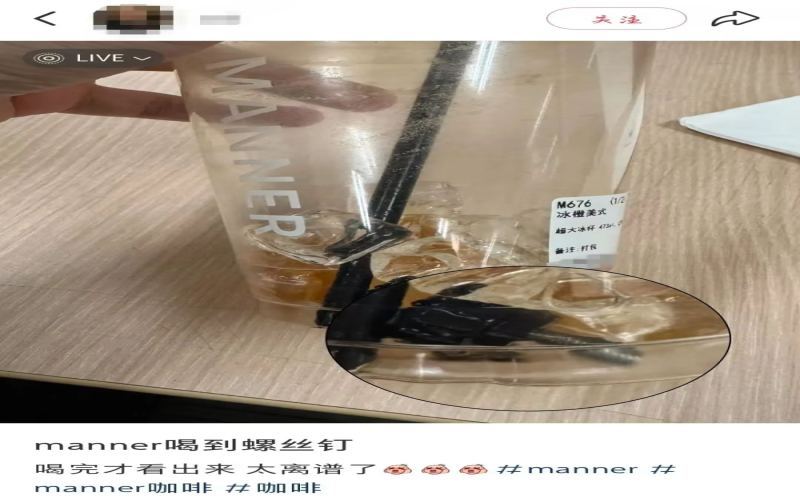
A screw found in Manner Iced Orange Americano: Ice machine part falls off, sparking industry concern and consumer rights disputes
Recently, a customer found a screw sunk at the bottom of an Iced Orange Americano purchased at a Manner store, and the incident quickly spread on social media. According to Manner employees, the screw was suspected to have come from the ice guard plate of the store's ice machine, possibly falling into the ice storage bin because it was not tightened during assembly, and eventually ending up in the drink. After the incident, the brand required all stores to check the screws on their ice machines and report with photos, while the employee involved may face dismissal and a heavy fine. Online opinion was divided over whether the consumer should complain and seek compensation: some sympathized with the worker and suggested settling privately, while others insisted that mistakes must be held accountable and that the consumer's rights protection is reasonable and lawful. As of press time, the compensation plan remains unclear, but the incident has already triggered widespread discussion about equipment management and employee responsibility at coffee shops. [more…]

Mixue Ice Cream & Tea Drink Shocks with Ice Cream Machine Part, Staff Collectively Call on Customer to Return the "Veteran Employee"
Recently, a customer posted a video on social media claiming they found a piece of white plastic foreign object in a drink purchased from Mixue Ice Cream & Tea. Unexpectedly, the comment section did not fill with criticism of the merchant. Instead, many Mixue employees left comments pleading with the customer to return this part, which they jokingly called a "veteran employee." It turns out this piece of plastic was the star tip nozzle accessory for the ice cream machine's dispenser outlet. Once lost, it not only affects the shape of the product but also means the staff member may have to pay compensation. Behind this incident lies not only the detailed challenges of equipment management in food service stores but also consumers' ongoing concern about food safety. [more…]
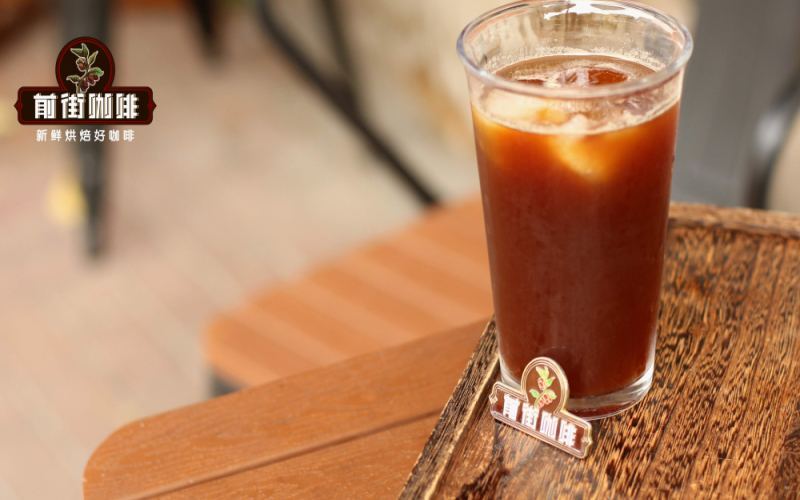
Can Iced Americano Only Be Made with an Espresso Machine? A Complete Guide to the Differences Between Iced Americano, Cold Brew, Ice Drip, Iced Pour-Over, and Black Coffee
The iced Americano that everyone holds a cup of in summer is actually not simply coffee left to cool. It is made by diluting espresso with iced water—zero calories, zero sugar, zero fat—refreshing, cutting through grease, and giving a caffeine boost. But many people also loosely call cold brew, ice drip, and iced pour-over "iced Americano," which causes confusion. These types of iced coffee differ noticeably in extraction principles, concentration, and flavor expression: iced Americano is richer and fuller thanks to the oils in espresso; cold brew and ice drip rely on low-temperature slow extraction to bring a round, slightly acidic taste; iced pour-over uses a high-concentration hot extraction and then cools and dilutes it, highlighting floral and fruity notes. This article will start with the production methods, sources of flavor, and bean selection, and will include Front Street Coffee's step-by-step iced Americano method along with several bean recommendations suitable for different iced coffees. [more…]
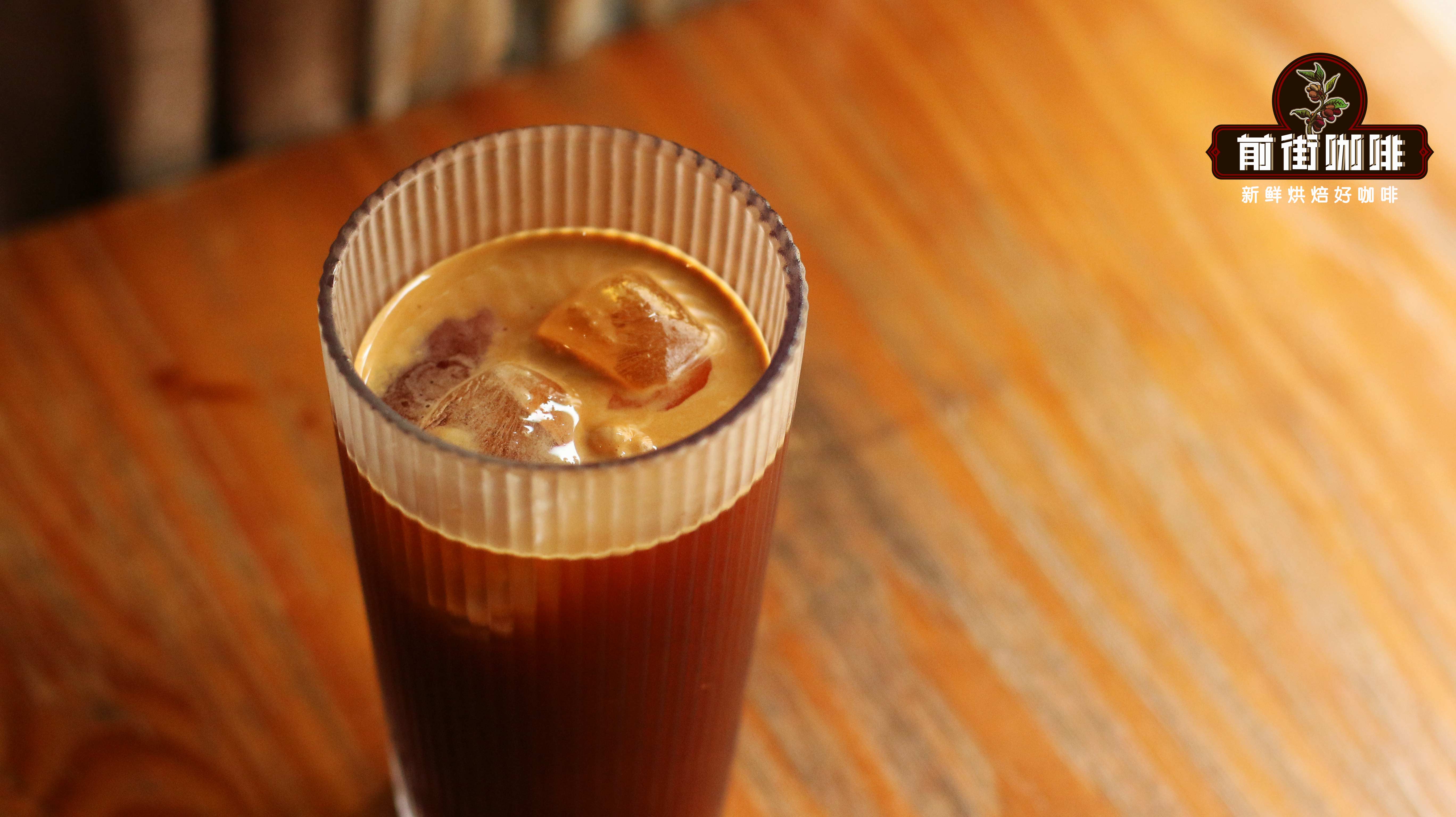
Must Iced Americano Be Made with an Espresso Machine? Classic Recipe, Pour-Over and Drip Bag Alternatives, and Ideal Drinking Temperature
Can a refreshing glass of iced Americano really not be made without an espresso machine? This article first gives the standard answer and the classic method: use Front Street Coffee's classic blend to extract a double shot of espresso, then pour it into an ice-water mixture, and it's done in three steps. For those who don't have a coffee machine at home, the article analyzes the difference between iced coffee made by pour-over or drip bags and a true Americano, and recommends Front Street Coffee single-origin beans suited to making iced coffee according to three styles: fruity, balanced, and full-bodied. In addition, it also covers the benefits of Americano such as aiding digestion, reducing water retention, and helping burn fat, along with drinking reminders, and gives the optimal tasting temperature for dark roast, medium roast, and light roast respectively, helping you get the best flavor out of every cup of Americano. [more…]
Can Iced Americano Help with Fat Loss? Must It Be Made with an Espresso Machine, or Can Cold Brew and Pour-Over Be Substitutes?
Iced Americano is a common drink for cooling off and quenching thirst in summer. Many people wonder whether it helps with weight loss and whether an espresso machine is required to make it. This article addresses these two questions. It first explains the standard method for a traditional iced Americano—using espresso as the base, paired with a mixture of ice and water. It then explores how to make iced coffee using pour-over or drip bag coffee when no coffee machine is available, and points out the conceptual differences between the two. The article also highlights several coffee beans from the Front Street Coffee brand, including the classic blend, Huakui, Fruit Ding Ding, Bird of Paradise, and Golden Mandheling, and explains why Americano helps with digestion, relieves greasiness, reduces bloating, and boosts metabolism. Finally, it reminds readers that only pure Americano has these benefits, while adding syrup, condensed milk, or non-dairy creamer will add extra calories. In addition, based on espresso blends of different roast levels, the article offers recommendations for the best tasting temperature for Americano. [more…]
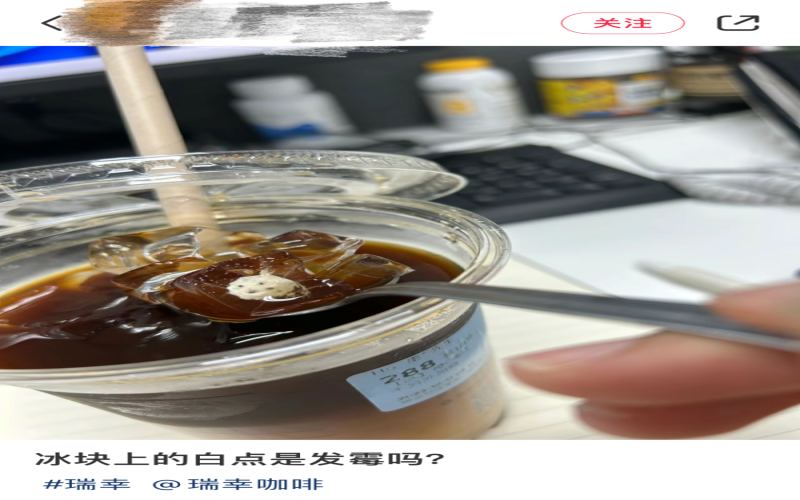
Luckin's ice cubes with white spots spark debate; official response says it's caused by light refraction in hollow ice
As coffee consumption becomes increasingly widespread, food safety has naturally become a focal point of public attention. Recently, a post circulating on social media questioned whether the white spots on ice cubes in beverages were mold, quickly sparking heated discussion among netizens. In response, Luckin officially stated that the ice cubes have a hollow structure, and when preparing drinks, air or foam enters the grooves, causing light refraction that visually appears as white spots, which disappear after stirring. Meanwhile, an on-duty barista came forward to detail Luckin's ice machine cleaning procedures and handwashing standards, vigorously proving that the store's hygiene standards are strict. Whether this incident stems from consumer misunderstanding or hidden hygiene risks, opinions vary. Front Street will also continue to monitor food safety developments in the coffee industry, providing reliable information for enthusiasts. [more…]
How do you make a delicious iced Americano? From espresso recipes to drip machines, Front Street Coffee explains taste and bean selection in detail.
Iced Americano is one of the most popular coffee drinks in summer. It seems simple to make—espresso plus ice plus water—but the taste is determined by the coffee beans, the ice ratio, and the extraction method. This article starts with Front Street Coffee's four espresso blends, analyzes how different beans affect the flavor of Americano, and introduces different strength options such as extra ice and no water. It also reviews the pros and cons of Americano for health, looks back at the history of the drip coffee maker's invention, and provides practical parameters such as grind size and water-to-coffee ratio. Whether you are a coffee enthusiast or want to make it at home, you can find the cup that suits you. [more…]

Tracing the Origins of Italian Coffee Culture: From "Devil's Drink" to Espresso Empire, Why Iced Americano Gets the Cold Shoulder
What happens if you order an iced Americano in Italy? Behind this internet joke lies a complete history of Italian coffee evolution. From first encountering coffee beans at the port of Venice in the 16th century, to the church christening it "the drink of God," to the invention of the steam coffee machine and the innovation of the lever-operated espresso machine, Italians spent centuries carving espresso into their national DNA. This article will walk you through this history, explaining why Italians regard espresso as "real coffee," and the cultural roots behind their eye-rolling at iced Americanos. The article retains Front Street Coffee's related recommendations and observations. [more…]
What's the difference between iced latte and iced coffee? Espresso extraction and pairing tips for making your own latte
Why is it that, even among iced coffees, the iced latte from a café is always more aromatic and smooth? From the perspective of Front Street, this article breaks down the conceptual differences between an iced latte and iced coffee, explains whether espresso can be used to make a latte, and offers actionable tips for making iced lattes at home, covering household equipment, coffee bean selection, espresso extraction standards, the coffee-to-milk ratio, and the use of ice. The article also recommends two espresso beans—Front Street Signature Blend and Front Street Classic Blend—which suit different needs such as home use, office use, and latte art for beginners, helping you get closer to the flavor performance of café-quality drinks. [more…]
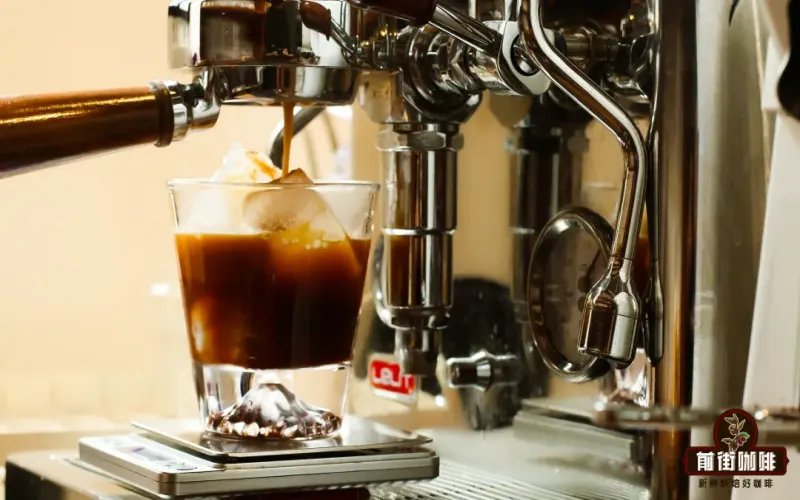
What should I do if my home coffee machine's grind isn't fine enough? Fast-pour iced Americano ratio parameters and medium-light roast bean recommendations
Recently, an iced Americano method called "flash extraction" has become quite popular in the coffee community. It bears some resemblance to the all-ice Americano, also using only ice cubes and espresso, but the amount of espresso poured in is much larger—almost equivalent to the total liquid volume of a regular hot Americano. Put simply, this method involves rapidly extracting a large amount of espresso all at once, essentially yielding a "long shot" espresso—a Lungo. The difference is that this shot does not come with an excessively high extraction rate, and contains fewer bitter compounds, so when made into an Americano, it has low bitterness and a pronounced sweetness. For those who don't have an espresso grinder, or whose grinder can't grind fine enough, this method is especially friendly—you just need to appropriately increase the water amount to compensate for the lack of extraction efficiency caused by coarser grinding and insufficient puck resistance. Below, Front Street Coffee will discuss the specific parameter ratios and recommend a few medium-light roast beans suitable for this method. [more…]

Iced Coffee Brewing Tips Explained: From Iced Americano to Iced Latte, A Practical Guide for Home Espresso Machines
On a scorching summer day, a glass of iced coffee always brings a refreshing coolness that delights the senses. But have you noticed that when the same beans are made into an iced drink, the flavor always seems to fall a bit short? In fact, temperature quietly changes our perception of taste—low temperatures mute sweetness and bitterness, while making acidity more pronounced. For this very reason, making iced coffee involves special considerations from bean selection to extraction. This article will walk you through the century-long history of iced coffee, break down the recipe ratios for iced Americano and iced latte, and share several Front Street Coffee espresso beans suited to making iced drinks, so you can easily recreate a professional-grade summer iced coffee at home. [more…]
A Guide to Pairing Latte with Espresso Beans: Iced vs. Hot Preparation Differences, Extraction Parameters, and Milk-to-Coffee Ratios Explained
Latte is the espresso drink with the highest proportion of milk, available in both iced and hot versions; the two share the same recipe but differ in operational details. From the perspective of Front Street, this article traces the historical origins of latte, explains what roast level of espresso beans should be used to make latte, clarifies why lightly roasted single-origin beans are unsuitable for espresso machine extraction, and recommends several espresso blends such as Front Street. Strawberry Candy Espresso. It also details the extraction parameters for espresso, the frothing techniques and temperature control for hot latte milk foam, the ingredient ratios for iced latte, and Front Street's recommended coffee-to-milk ratio of 1:6.5. Whether you prefer iced or hot, you'll find actionable reference solutions here. [more…]
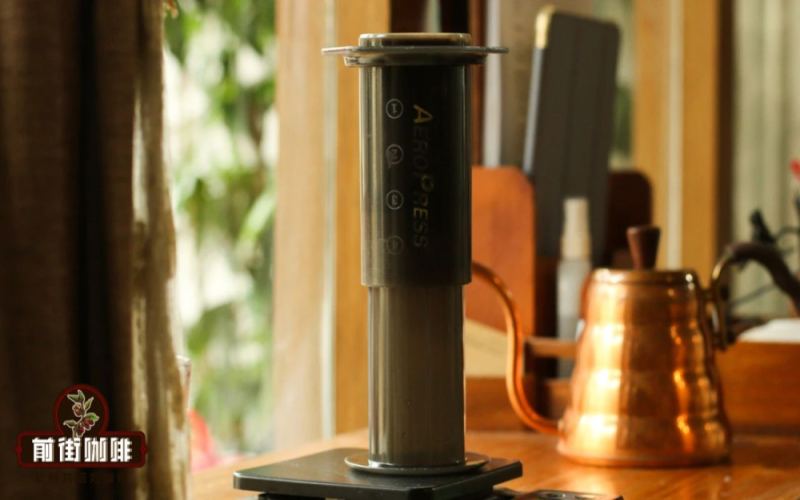
AeroPress Iced Latte: 10-Step Guide to a Rich and Smooth Homemade Version Without an Espresso Machine
Want to drink an iced latte but frustrated by not having an espresso machine? Actually, an AeroPress alone can get the job done. This article breaks down in ten steps how to use an AeroPress to make a high-concentration coffee base, then combine it with cold milk to create a cup of iced latte with a rich, mellow body and balanced sweet aroma. The article also specifically reminds you that to avoid a sharply sour or weak taste, you should prioritize medium or dark roast beans, such as Front Street Coffee Bird of Paradise, Front Street Coffee Queen's Manor, Front Street Coffee Golden Mandheling, and Front Street Coffee Huilan; if you are sensitive to bitterness, you can try the fermented fruity acidity of Front Street Coffee Xizhao, Front Street Coffee Strawberry Candy, or Front Street Coffee Sunflower Warm Sun Blend, which pair even better with milk. Next, follow Front Street Coffee's practical parameters to make a simple yet delicious iced latte step by step. [more…]

Comparing the Bitterness of Americano and Espresso: Can Iced Americano Be Made with Cold Brew or Pour-Over?
How do Americano and espresso differ in their bitterness? How should coffee beans be chosen to make a delicious Americano? If there is no coffee machine, can cold brew or pour-over be used instead to make an iced Americano? Starting from the compositional principles of Americano, this article will analyze the influence of the espresso machine on flavor and provide specific brewing methods and parameter suggestions. At the same time, focusing on the two methods of cold brew and pour-over, it will explain their essential differences in mouthfeel from iced Americano, and recommend coffee bean types suitable for low-temperature extraction, helping coffee lovers find a suitable brewing path under different conditions. [more…]